Showing posts with label Dried Fruit. Show all posts

Monday, January 21, 2013

Article # 230. Health Benefits of Macadamia Nuts


Health Benefits of Macadamia Nuts

Go Nuts

Nuts are a healthy addition to any balanced diet. They are a great high-protein, calorically-dense snack rich in vitamins, minerals, flavanoids and other important nutrients. And macadamia nuts are no exception! Yes, these sweet, creamy, crunchy, luxuriously delicious nuts, more often thought of as a high-fat indulgence rather than a health food, are in fact healthier than you might think. Although they are high in fat, nearly 80 percent of it is monounsaturated fat--the "good" kind of fat that lowers your overall cholesterol and your LDL ("bad") cholesterol, and raises your HDL ("good") cholesterol. All nuts, including macadamia nuts, are naturally cholesterol-free and are great sources of fiber. Macadamia nuts also contain vitamin A, thiamine, vitamin E, riboflavin, niacin and iron.

Palmitoleic Acid

Macadamia nuts are one of the very few plants that contain palmitoleic acid, also known as omega 7, a monounsaturated fatty acid that works to lower your cholesterol, reducing your risk of heart disease. Some studies have also suggested that palmitoleic acid may also effect your body's metabolism, curbing your appetite and helping you burn fat faster--which means that those high-fat macadamia nuts could be an all-natural diet food! Palmitoleic acid is also important for skin health--macadamia nut oil is an excellent addition to lotions and skin creams--and helps keep your cells functioning properly.

Vitamin E and Thiamin

Macadamia nuts are an excellent source of thiamin, also known as vitamin B1--1 cup of macadamia nuts provides over 100 percent of your daily thiamin requirement! Thiamin is necessary for converting carbohydrates into energy and for maintaining the health of the nervous system. Macadamia nuts are also a good source for riboflavin (vitamin B2), niacin (vitamin B3) and vitamin B6. Macadamia nuts also contain vitamin E, a powerful antioxidant that protects your cells from the damaging effects of free radicals. Vitamin E also helps heal wounds and may reduce your risk of cancer and heart disease.


Omega-3

Omega-3 is an essential fatty acid with a wide range of benefits. Regular consumption of omega-3s will help lower your risk of heart disease, cancer and osteoporosis and will help prevent or reduce the severity of arthritis, menstrual cramps and migraine headaches. Omega-3s are also essential for a healthy nervous system, and may help relieve depression. Macadamia nuts are a tasty source of omega-3 fatty acids. Macadamia nuts also have a healthy 6:1 ratio between omega-6 and omega-3 fatty acids--scientists generally recommend a ratio somewhere between 1:1 and 10:1.

Cooking With Macadamia Nut Oil

Macadamia nut oil, sometimes called mac nut oil, is the hottest new cooking oil--literally! With a very high smoking point, macadamia nut oil is ideal for high-heat cooking, and its high percentage of monounsaturated fats make it a health healthy choice, on par with olive oil or canola oil. Macadamia nut oil can also be used in place of other oils or butter in baking.

Because of its high content of monounsaturated fat, macadamia nut oil is fast becoming a favorite among top chefs around the world. Not only is it healthier than olive oil and canola oil, but many people also believe that it has a better taste. In addition, macadamia nut oil has a higher smoke point than olive oil, which means that it can be cooked at higher temperatures without breaking down and losing its flavor.

Flavanoids in Macadamia nuts

Another health benefit of macadamia nuts comes from their flavanoids (the same compounds that give red wine its healthful claim to fame). Flavanoids are compounds naturally found in plants. They help repair damaged plant cells and protect the plant from environmental toxins. When we eat these plants, our bodies turn the flavanoids into antioxidants. Antioxidants search for and destroy free radicals (destructive particles in the body that cause heart disease and other conditions). As a result, the flavanoids help lower blood pressure and protect against some forms of cancer.


Article # 229. Nuts about Nuts!


Nuts about Nuts!

All nuts have great nutritional and star attributes, but walnuts with their plant omega-3 fats, melatonin, fiber, vitamins/minerals and polyphenols really stand out. In fact, Dr. Vinson, lead researcher reports that "a handful of walnuts has almost twice the antioxidant content as an equivalent amount of any other commonly consumed nut."

When they invented the word polyphenomenal years ago to express the excitement about the emerging research on a variety of powerhouse foods that contain this important category of health-promoting compounds, they knew much of the story on polyphenols was still to be written. When it comes to nuts, walnuts have truly earned this distinction.

Here are new ways (and reminders) on how to add walnuts to your day:

Add walnuts to your morning oatmeal or Greek yogurt.

Make a homemade trail mix with dried cherries, dark chocolate chips and walnuts.

Take a ‘virtual trip’ to the Mediterranean at snack time by slicing into some large dates and stuffing each with a walnut half.

Sprinkle walnuts onto your salad at lunch time.

Bake walnuts into your breads and muffins.

Mix chopped walnuts into grain dishes like quinoa, wheat berries or couscous.

Make pesto with half walnuts/half pine nuts.

Add chopped walnuts into curried chicken salad made with Greek yogurt and grapes.

Stir-fry walnuts with snap peas and shrimp.


Article # 228. Pecans Health Benefits


Pecans nutrition facts

Pecan is a very large sized; deciduous tree belongs to the member of hickory family, Juglandaceae. The tree is native to central and southern parts of the United States of America. Today, however, it is being cultivated in many regions of the world as an important commercial tree nuts crop. Scientific name: Carya illinoinensis.

Health benefits of Pecans


§  Pecan nuts are rich source of energy, provide 690 calories/100 g and contain health benefiting nutrients, minerals, antioxidants and vitamins that are essential for wellness.
§  The nuts are rich in monounsaturated fatty acids like oleic acid and an excellent source of phenolic antioxidants. Regular addition of pecan nuts in the diet helps to decrease total as well as LDL or “bad cholesterol” and increases HDL or “good cholesterol” levels in the blood. Research studies suggest that Mediterranean diet, which is rich in dietary-fiber, mono-unsaturated fatty acids, and antioxidants would help to prevent coronary artery disease and strokes by favoring healthy blood lipid profile.
§  Pecan nuts are rich source of many phyto-chemical substances that may contribute to their overall antioxidant activity, including polyphenolic antioxidant ellagic acid, vitamin E, beta-carotene, lutein and zea-xanthin. Research studies have been suggestive of that these compounds help the body remove toxic oxygen-free radicals and thus, protect the body from diseases, cancers, as well as infections.
§  Anti-proliferative properties of ellagic acid are because of its ability to inhibit DNA binding of certain carcinogens such as nitrosamines and polycyclic aromatic hydrocarbons; thus protecting the human body from cancers.
§  Pecans are an excellent source of vitamin-E, especially rich in gamma-tocopherol; provide about 25 g per100 g. Vitamin E is a powerful lipid soluble antioxidant, required for maintaining the integrity of cell membrane of mucus membranes and skin by protecting it from harmful oxygen-free radicals.
§  The nuts are very rich sources of several important B-complex groups of vitamins such as riboflavin, niacin, thiamin, pantothenic acid, vitamin B-6, and folates. Together, these vitamins work as co-factors for the enzyme metabolism inside the human body.
§  The nuts are also rich source of minerals like manganese, potassium, calcium, iron, magnesium, zinc, and selenium.
Add hand full of pecan nuts every day in the diet to keep your diet meter complete with sufficient levels of minerals, vitamins and protein.


Culinary use

  • Raw pecans, like walnuts, can be eaten on their own or salted or sweetened.
  • Pecan nuts are buttery in consistency yet pleasantly sweet in taste. High fat content in them makes them wonderful additions to prepare delicious recipes like pecan caramel puddles, pie, fudge, baklava, and muffins.
  • The nuts are often sprinkled over desserts, particularly sundaes, and bourbon ice creams.
  • They are widely used in confectionery, as an addition to biscuits, sweets, and cakes.
  • The nuts are also used to make pecan nut-butter, which is popular spread over bread, toast, etc.

Heart-Healthy Pecans
Nearly 60 percent of the fats in pecans are monounsaturated and another 30 percent are polyunsaturated, leaving very little saturated fat in pecans. The unsaturated fat in pecans is heart-healthy fat meeting the new Dietary Guidelines that recommend Americans keep intake between 20 and 35 percent of calories, with most fats coming from heart-healthy sources like fish, nuts and vegetable oils. In addition, pecans contain no trans fat.

Nutrient-Dense Pecans

Pecans contain more than 19 vitamins and minerals – including vitamin A, vitamin E, folic acid, calcium, magnesium, phosphorus, potassium, several B vitamins and zinc. One ounce of pecans provides 10 percent of the recommended Daily Value for fiber. Pecans are also a natural, high-quality source of protein that contain very few carbohydrates and no cholesterol. Pecans are also naturally sodium-free, making them an excellent choice for those on a salt- or sodium-restricted diet.


Article # 227. Health Benefits of Hazel Nuts


Health Benefits of Hazel Nuts
Hazelnuts come from the tree of the same name and perhaps are most famously known these days for their use in confections such as praline, chocolate truffles or Nutella. The delicious flavor of the hazelnut is also popularly added to coffee and liqueurs and the oil from the nut can be used for cooking. The country that produces the most hazelnuts in the world is Turkey, followed by Italy and the US.
Here are some of the health benefits of hazelnuts.
Cardiovascular Benefits
Hazelnuts are rich in unsaturated fats, the kind that are actually good for the heart. Much of this fat is oleic acid, shown to lower LDL "bad" cholesterol and raise the "good" HDL kind. One cup of hazelnuts contains almost half of our recommended daily amount of magnesium, a mineral that regulates calcium levels in muscles. When calcium levels are high the heart may contract, and beat irregularly. Proper amounts of magnesium keep the heart from overexerting itself by promoting healthy rests between contractions.
Cancer Prevention
Studies have found that the alpha-tocopherol type of vitamin E hazelnuts are so rich in may cut the risk of bladder cancer in half. Additionally, the manganese so abundant in hazelnuts goes a long way in protecting the body from cancer. Manganese is a constituent of an antioxidant enzyme produced in the mitochondria of the cells to protect the body from cancer.
Muscles
Magnesium plays an important role in regulating the amount of calcium that goes into and out of the cells of the body. The proper amount of calcium at the proper time encourages muscle contraction, and allows the muscles to relax when they're not needed. This avoids muscle tension, soreness, spasm, cramps and fatigue. According to one Italian study, higher magnesium levels also increased the strength of the muscles.


Skin Health
One cup of hazelnuts contains 86% of the recommended daily allowance of vitamin E. Vitamin E has been proven to protect skin from the harmful effects of ultraviolet radiation, such as skin cancer and premature aging.
Bone and Joint Health
About two thirds of the magnesium the body uses goes towards building the structure and strength of the skeletal system. Magnesium is a key mineral in the makeup of the bones, and is so important that the body stores extra magnesium on the surface of bones to be used in case of an emergency deficiency. Hazelnuts are also rich in manganese, a mineral essential for the growth and strength of bones. Post-menopausal women are often deficient in manganese and can benefit from its ability to increase the density of bone, and fight osteoporosis.
Nervous System The nervous system needs amino acids in order to function, and amino acids require vitamin B6. Hazelnuts are rich in vitamin B6. Moreover, vitamin B6 is necessary for the creation of myelin, the insulating sheath of the nerve that increases the speed and efficiency of electrical impulses, allowing the nervous system to operate optimally. What's more, vitamin B6 is instrumental in the synthesis of the neurotransmitters serotonin, melatonin, and epinephrine.
Digestive Tract Health
Hazelnuts are rich in manganese, which is an enzyme activator and a catalyst in the synthesis of fatty acids and cholesterol. It also promotes protein and carbohydrate metabolism. The high content of fiber in hazelnuts assures regular movement of food and waste through the digestive tract, distributing the burden of work evenly along the way and promoting the proper balance of chemicals and microorganisms necessary for a healthy digestive system.
High in B Vitamins
Hazelnuts are rich in vitamins B1 (thiamin), B2 (riboflavin), B3 (niacin), B5 (pantothenic acid), B6 and B9 (folic acid). We rely on the B vitamins to dismantle proteins, fats and carbohydrates for us, thereby providing us with the energy we need to function. The B vitamin complex is used throughout the body, particularly for the health of nervous system. The B vitamins assuage stress, anxiety and depression. They also improve the memory and are necessary for the production of neurotransmitters such as serotonin. B9 aids hormone synthesis and riboflavin is necessary for healthy red blood cells. Niacin improves skin health ensures the normal function of the digestive and nervous systems. Some B vitamins help build and repair damaged DNA.
No Cholesterol or Sodium
Both of these valuable nutrients cause harm when you consume too much within short periods of time and over a life time. Each has the potential to raise blood pressure, ultimately leading to heart damage. Hazelnuts lack both sodium and cholesterol, making them a healthy choice for those watching weight and looking to improve heart health.

Protein
Although hazelnuts only contain about 5 grams of protein per each one ounce serving size, they still act as a sufficient secondary source of the valuable macronutrient. Protein works to build healthy and lean muscle within your body, helping improve strength and durability. Try adding hazelnuts to salads or for side dishes to increase your overall protein consumption.

Healthy Fats

Hazelnuts contain heart-healthy fats that can protect heart health. Specifically, they are high in healthy polyunsaturated and mononunsaturated fats and low in unhealthier unsaturated fats. Hazelnuts are a good source of oleic acid. Oleic acid can help to lower levels of bad cholesterol, LDL, and can raise levels of good cholesterol, HDL, in the body. This makes hazelnuts a good addition to salads and baked muffins.


Thursday, December 13, 2012

Article # 123. Chest Nut Benefits


Chest Nut

Richly flavored, starchy, chestnuts are popular cool season edible nuts of the northern hemisphere. The nuts are native to hilly forest of China, Japan, Europe, and North America. Botanically they belong to the beech or Fagaceae family of the genus: Castenea. Scientific name: Castanea sativa.
Castaneas are very large deciduous trees. They are monoecious, bearing both male and female flowers (“catkins”), in the same tree. 


Health benefits of chestnut
  • Chestnuts, unlike other nuts and seeds, are relatively low in calories; contain less fat but are rich in minerals, vitamins and phyto-nutrients that benefit health.
  • Chestnuts are chiefly made of starch when compared to other seeds and nuts, which are high in calorie, protein, and fat. Their nutrition composition is almost similar to that of other staple starch foods such as sweet potato, sweet corn, potatoes, plantain, etc., Nevertheless; they are still good sources of minerals, vitamins and some good-quality protein.
  • They are a good source of dietary fiber; provide 8.1 g (about 21% of RDI) per 100 g. Fiber diet helps lower blood cholesterol levels by limiting excess cholesterol absorption in the intestines.
  • Chestnuts stand out from other nuts and seeds for their distinct nutrition profile. They are exceptionally rich in vitamin-C. 100 g nuts provide 43 mg of vitamin C (72 % of DRI). Vitamin C is essential for matrix formation in teeth, bones and blood vessels. Being a strong anti-oxidant, it offers protection from harmful free radicals.
  • Again, as in green-leafy vegetables, chestnuts are rich in folates, which is quite unique feature for nuts and seeds. 100 g nuts provide 62 µg of folates (or 15.5%). Folic acid is required for the formation of red blood cells, DNA synthesis. Adequate consumption of food rich in folates during the peri-conception period helps prevent neural tube defects in the fetus.
  • They are rich source of mono-unsaturated fatty like oleic acid (18:1) and palmitoleic acids (16:1). Studies suggest that monounsaturated fats (MUFs) in the diet help lower total as well as LDL (bad cholesterol) and increase HDL (good cholesterol) levels within the blood. Mediterranean diet which is rich in dietary-fiber, MUFs, omega fatty acids and antioxidants help prevent coronary artery disease and strokes by favoring healthy blood lipid profile.
  • The nuts are an excellent source of minerals such as iron, calcium, magnesium, manganese, phosphorus and zinc, besides providing a very good amount of potassium (518 mg / 100 g). Potassium helps counter hypertensive action of sodium, lowers heart rate and blood pressure. Iron helps prevent microcytic-anemia. Magnesium and phosphorus are important components of bone metabolism.
  • Further, they are also rich in many important B-complex groups of vitamins. 100 g of nuts provide 11% of niacin, 29% of pyridoxine (vitamin B-6), 100% of thiamin, and 12% of riboflavin.
  • Chestnuts, like hazelnuts and almonds, etc., are free in gluten. And for the same reason, they are one of the popular ingredients in the preparation of gluten-free food formulas for gluten-sensitive, wheat allergy, and celiac disease patients.
  • Chinese chestnuts (C.mollissima) are good in vitamin A; provide 202 IU per 100 g.
  • Chestnut is a good body builder food and recommended in cases of emaciation (wasting away of body tissues).
  • Chestnut aids in the care of the teeth and treatment of pyorrhea.

Wednesday, December 12, 2012

Article # 122. Brazil Nuts Benefits

Brazil Nuts

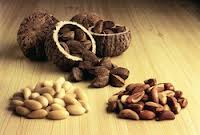
Brazil nuts are large seeds that grow in the tropical rain forests of South American countries such as Bolivia, Brazil, Columbia, Peru, Venezuela and the Guianas. Even though they are called 'Brazil nuts', their largest producer and exporter is Bolivia and not Brazil.

Brazil nuts are said to be like macadamia nuts. They grow on a tree that is botanically called Bertholletia excelsa. They can be used in cooking instead of coconuts or macadamia nuts, due to their similarity. There are many health benefits of dried fruits, such as walnuts, almonds, raisins, and cashews. There is no doubt that these nuts are high in calories, but they also contain good amounts of minerals, anti-oxidants and vitamins. Similarly, there are many health benefits of Brazil nuts because of their high selenium, magnesium and thiamine content. The flavonoids present in these nuts combat against development of cancer. Selenium present in Brazil nuts prevents cellular damage caused by free radicals in the body.


Brazil Nuts Nutritional Facts

Nutritional information about Brazil nuts is mentioned below.
  • Brazil nuts, 100 grams, constitute 687 calories approximately, out of which the total fat content is 68 to 69 percent. The highest fat percentage is of mono-saturated fat which is a heart healthy fat. The mono-saturated fatty acids help to control the bad or LDL cholesterol and increase the good or HDL cholesterol in the body. The two essential fatty acids that they contain are oleic acid and palmitoleic acid. These nuts are, however, said to be relatively fattening and therefore, should be consumed in control.
  • Health benefits packed in Brazil nuts are known to the world, due to the fact that the nuts are the richest source of the mineral selenium. Just an ounce of these nuts contains 544 mcg. Selenium is not itself an antioxidant but works with vitamin E and is also a part of antioxidant enzymes - glutathione and glutathione peroxidase.
  • Medical research has proved that selenium in Brazil nuts aids in protection from heart disease. This powerful mineral is found in the soil in which these trees are grown. People who live in such areas are hence known to have lower cases of heart disease. Selenium activates the enzymes that help in the detoxification of the rancid fat present in the membranes. Blood clotting can be prevented if a considerable amount of selenium is consumed.
  • Selenium is also effective in reducing the risk of breast cancer, prostate cancer and other cancers. It also helps to maintain the proper functioning of the thyroid and is good for building the immune system.
  • A lot of common protein food that we consume does not contain an important amino acid called Methionine, which is present only in Brazil nuts. Methionine is essential in fighting against chronic illnesses, liver cirrhosis, coronary artery disease, and premature senescence.
  • Brazil nuts also contain healthy minerals like calcium, manganese, phosphorous, copper, potassium, zinc and iron. They also contain some amount of the essential omega 6 fatty acid.
  • Like other nutritious dried fruits, Brazil nuts are high in protein, fiber and vitamins. Vegetarians should make it a point it in their diet, as an added source of protein.

Are Brazil Nuts Bad for You?

It is a well-known fact that dried fruits could be fattening if eaten too much. Therefore, there are certain factors that need to be considered before consuming Brazil nuts in large quantities, as researches have proved, there are certain pitfalls of these nuts.
  • Our body requires very little selenium. The Institute of Medicine of the National Academy of Sciences advises a maximum limit of 45 mcg of selenium for kids and 400 mcg for adults daily. An overdose of selenium can be toxic and can cause brittle and white nails, hair fall, fatigue, rash, irritability and stomach upset.
  • They have been found to consist high amounts of aflatoxins, which are carcinogenic, hence European Union has placed strict restrictions on import of Brazil nuts.
  • Small amounts of radioactive radium is also found in Brazil nuts because of its vast root system. It is a thousand times more than that is found in other foods but is not believed to be absorbed into the body.
  • In order to start consuming nuts in a healthy way, it is a great idea to combine small quantities of various types of nuts and dried fruits while eating. For example, instead of having a handful of Brazil nuts on Monday, a handful of walnuts on Tuesday and a handful of almonds on Wednesday, you could have 2 of each of the above daily or 4 times a week. It may be a good option to look for organic Brazil nuts as these are naturally produced and less processed.
People allergic to nuts should refrain from consuming them. The relatively high percentage of polyunsaturated fats in these nuts (34 percent) causes the shelled ones to turn rancid fast. So, it is best to store them in the refrigerator. Nuts roasted in oil and salted nuts are high in calories and should be avoided. To gain maximum benefits of consuming Brazil nuts, it is good to consume them unsalted. Shelled Brazil nuts in their basic natural form are safer and healthier. You can also use chopped nuts in cookies, cakes and other desserts.


It is a very good habit to consume all food items in moderation and same goes with Brazil nuts. Well, there are a number of health benefits of eating Brazil nuts, but remember to have just a few of them on a day as over consumption can lead to toxicity and obesity. It is recommended to have a few Brazil nuts twice or thrice per week and not deprive yourself of this wonderful nut.


Tuesday, December 11, 2012

Article # 115. Almonds and Its Benefits


Health Benefits of Almonds
The health benefits of almonds include getting relief from constipation, respiratory disorders, cough, hearth disorders, anemia, impotency, and diabetes. It also helps in hair care, skin care (psoriasis), and dental care.
Found in places like Iran, Saudi Arabia, Lebanon, Turkey, Syria, Jordan and Israel, almond is a very nutritious nut.  It is a rich source of vitamin E, calcium, phosphorous, iron and magnesium. It also contains zinc, selenium, copper and niacin. Almonds contain the most nutrients in comparison to all other nuts.


Both sweet and bitter almonds are available. Usually, sweet almonds are edible and bitter almonds are used to make almond oil, which is used to add flavor to food. Almonds are usually eaten raw, but people also add them as ingredients in salads. Almond milk is a delicious drink.
You can eat almonds directly, preferably eat it empty stomach to ensure absorption of their nutrients. You can soak them in water overnight and eat in the morning. You can also garnish various dishes with crushed almonds.


Almonds are also known to have great medicinal value. Few of the benefits of almonds are given below.
Good for brain: Almond is a source of many nutrients which help in development of the brain. Almond induces high intellectual level and has been considered as an essential food item for growing children. Many mothers give almonds soaked in water to their children daily in the morning (2-3 pieces of soaked almonds are good enough, you can also remove the outer shell if it causes allergy to you.
Regulates cholesterol: Regular consumption of almonds helps to increase the level of high density lipoproteins (HDL) and reduce the level of low density lipoproteins (LDL), thereby effectively controlling cholesterol levels. LDL cholesterol is called bad cholesterol.


Good for heart: Mono-saturated fat, protein and potassium contained in almonds are good for the heart. Vitamin E acts as an antioxidant and reduces the risk of heart diseases. The presence of magnesium in almonds helps to avoid heart attacks. Almonds help reduce C-reactive protein which causes artery-damaging inflammation. Almond is also a source of folic acid. They therefore help to reduce the level of homocystein, which causes fatty plaque buildup in arteries.
Skin care: The benefits of almond for skin care are well known, and hence a massage with almond oil is often recommended for new born babies. Almond milk is also added in some soaps as almonds help in improving the complexion of the skin.
Regulates blood pressure: Potassium present in almond helps to regulates blood pressure. Almonds are very low in sodium which also helps in containing blood pressure.
Prevention of cancer: Almond improves the movement of food through the colon, thereby preventing colon cancer.
Protection against diabetes: Almonds also help in reducing the rise in sugar and insulin levels after meals. This offers protection from diabetes.
Good in pregnancy: Almond contains folic acid. Folic acid helps to reduce the incidence of birth defects in newborn babies.
Weight loss: Unsweetened almond milk helps one to reduce weight. The mono-saturated fat contained in almonds satisfies appetite and prevents over-eating. Studies have revealed that almond rich low calorie diet is good for obese people to assist in shedding their weight.
Prevention of constipation: Almonds are rich in fibre. Like most other fibre rich food, almonds also help in preventing constipation. Make sure you drink good amount of water after eating almonds.
Boosts energy: The presence of manganese, copper and Riboflavin helps in energy production.
One avoids the risk of Alzheimer's disease by consuming almonds. But just like any other food, even almonds have their cons. They contain oxalates and excessive oxalates can cause crystallization. So people having kidney or gallbladder problems should avoid eating almonds.

Article # 112. Dried FIG Health Benefits


Health Benefits of Dried Figs

Figs originated in Arabia and grow best in areas with hot, dry summers and cool, wet winters. Although considered a fruit, the fig is actually an inverted flower, and the seeds are the fruit, according to the California Fig Advisory Board. Flower or fruit, the nutrient-rich dried fig can help you meet some of your essential nutrient needs, making it a healthy addition to your diet.

Nutrients Found in Figs

Figs are an excellent source of many vital minerals, vitamins and nutrients which can benefit the human body.  Some of the nutrients found in figs include; calcium, magnesium, potassium, vitamin C, choline, vitamin A, phosphorus and vitamin K.  Other trace nutrients found in the fruit are lutein, vitamin E, vitamin B6, folate, zinc, selenium and copper.
High in Fiber
A 1/2-cup serving of dried figs contains 7.3 g of fiber. Including more fiber in your diet can help lower your risk of chronic illness such as heart disease and diabetes. Dried figs contain both soluble and insoluble fiber. Soluble fiber slows digestion for appetite and blood sugar control and also helps lower blood cholesterol levels. Insoluble fiber adds bulk to stool, improving bowel function. Healthy adult women need 21 to 25 g of fiber a day, and adult men 30 to 38 g of fiber a day.
Good for Your Bones
Figs contain more calcium than most other fruits, according to the California Fig Advisory Board, with 121 mg in a 1/2-cup serving. Adequate calcium intake supports bone health and growth, and reduces your risk of developing osteoporosis. Adults need 1,000 to 1,200 mg of calcium a day. One serving of dried figs meets 12 percent of your daily value for calcium, almost the same as 1 cup of unpacked cottage cheese. Including a variety of calcium-rich foods in your diet, like dried figs, can make help ensure that you meet your daily needs.


Lowers Blood Pressure
Consuming dried figs can help you meet your daily potassium needs and help lower your blood pressure. A 1/2-cup serving of dried figs contains 507 mg of potassium. Potassium is a mineral that helps maintain fluid balance. Increasing your daily intake of potassium can help blunt the effects of sodium, helping to lower your blood pressure. The American Heart Association says a healthy diet should contain 4,700 mg of potassium a day from natural foods. One serving of dried figs can help you meet 10 percent of your daily potassium needs.
Good Source of Iron
Dried figs can also help you meet your iron needs. A 1/2-cup serving of dried figs contains 1.5 mg of iron. Iron is an essential mineral needed to help transport oxygen in your blood. Without enough iron in your diet, delivery of oxygen to your cells decreases, causing you to feel tired and weak and more susceptible to infection. Adult men and women over the age of 51 need 8 mg of iron a day, and women between the ages of 19 and 50 need 18 mg of iron a day.
Strengthens bones: Figs are rich in Calcium. Calcium helps to strengthen bones.
Urinary calcium loss: People having high salt diet may be affected by increased urinary calcium loss. Potassium content in figs helps to avoid that.
Prevent macular degeneration: Vision loss in older people is due to macular degeneration. Fruits and figs generally are good for avoiding this condition.


Sunday, December 9, 2012

Article # 109. Dry Apricot Benefits


Dried Apricots

Dried apricots benefits are similar to those acquired from apples, bananas, or oranges. Whether fresh or dried, apricots are known to supply Vitamin C, Vitamin A beta-carotene, iron, and potassium among others.
The golden-orange fruits are also popular because they contain low levels of calories. For instance, for every 3 apricots consumed, 50 calories are acquired.
Canned dried apricots last longer and are available all year round. This is also the main reason as to why most people prefer dried apricots to fresh ones.


Dried Apricots Benefits and Uses
Vitamin A: This essential vitamin is considered an antioxidant that helps protect cells and eliminate free radicals from the body brought by exposure to heavy metals or tobacco, which are considered among causes of cancer. In addition, other benefits of Vitamin A include: improved vision, cell functions, bone growth, and strong immune system.
Beta-carotene: It is a precursor to Vitamin A and known to play vital roles in the body. Benefits include: treating rheumatoid arthritis, heart disease, cancer, high blood pressure, skin disorders, cataracts, age related macular degeneration, headaches and many more. Although helpful, those who take beta-carotene supplements have high chances of developing cancer or heart disease.
Vitamin C: Is an essential vitamin with antioxidant effects that protect the cells from oxidation as well as eliminating oxidized cells (free radicals) that cause cancer. Vitamin C is also important for the teeth and bones, the skin, connective tissues, helps in iron absorption, and protect against colds and flu.
Vitamin K: It supports and helps calcium in performing functions such as maintenance of healthy bones, teeth and cartilage. Vitamin K also helps in blood clotting during injuries to prevent the body from losing a lot of blood. A cup of dried apricots every day will provide 4mcg of Vitamin K, although it’s just a fraction of the recommended daily allowance.
Antioxidants: Fully ripen dried apricots contain high levels of antioxidants. Studies shows that ripen fruits to the level of spoilage have higher antioxidants levels than ripe but firm fruits. Ensure apricots are ripe before drying them at home. Antioxidants help eliminate free radicals (oxidized cells) that cause cancer and other diseases.


Iron: Dried apricots are high in iron thus ideal fruit for the anemic. Anemia is a condition brought about by insufficient intake of iron or iron deficiency. It can also be described as a condition in which a person suffers from low levels of red blood cells or low levels of haemoglobin in red blood cells.
Potassium: Is an important element that plays vital roles in the body such as improving metabolism and functions of the tissues, organs and other body cells.
Potassium is important for the heart’s electrical activity, muscle building and normal body growth. It is needed to regulate levels of acid in the body as well as assisting protein synthesis.
Pectin and Cellulose: These are essential in the body as they help ease and prevent constipation. They are gentle laxatives that will help those prone to constipation.
Consuming about 6 to 8 dried apricots will help you live through the day without symptoms of constipation. In addition, dried apricots are known to trigger alkaline reactions thus improving digestion.
Calcium: It is a vital mineral needed for maintaining strong bones, teeth and cartilage. Bone loss (osteoporosis) is a common problem among aging women arriving their menopausal years. It can be prevented by taking the recommended daily amount of calcium. 100g of dried apricots provide about 53.44mg of calcium, which is a decent amount to prevent osteoporosis.
Fiber: Dietary fiber is essential for a healthy diet. It has several benefits such as lowering cholesterol levels, preventing against some forms of cancer and Type 2 diabetes. Fiber helps in controlling weight and maintaining healthy bowel movements. 100g of dried apricots provide about 7.3 g of fiber.
Safety
Apricots are treated with sulphur dioxide before they are dried to preserve their rich orange color. Untreated dried apricots are usually brown in color. Sulphur dioxide in apricots produces sulfites, which can have allergic reactions or trigger asthma attack.